Jordan Campbell · Director of Product Design & AI Operations at Inbox Health
McDonald's SMART Request
Redesigning the menu change request process for global franchises.
UI/UX Designer · 2019-2020 · McDonald's · VisionX
Menu updates across McDonald's global franchises ran through a 10-step process managed via Excel. Limited-time offers were missing launch windows. I redesigned it as a 3-step dashboard. Request time: days → 17 minutes in early tests.
Results
- Process: 10 steps → 3.
- Request time: days → 17 minutes in early tests.
- Single dashboard replaced fragmented Excel workflow.
The difficult part
What shaped the work
The design wasn't the hard part. Navigating internal politics and earning trust from stakeholders who'd been doing things the same way for years, that was the real work.
Who I worked with
I owned discovery, research, and prototyping, working directly with stakeholders throughout. I presented the prototype to McDonald's global C-suite, took their feedback, and ran a round or two of edits with key stakeholders before handing off to the implementation dev team. At VisionX I ran design critique frequently.
The Problem
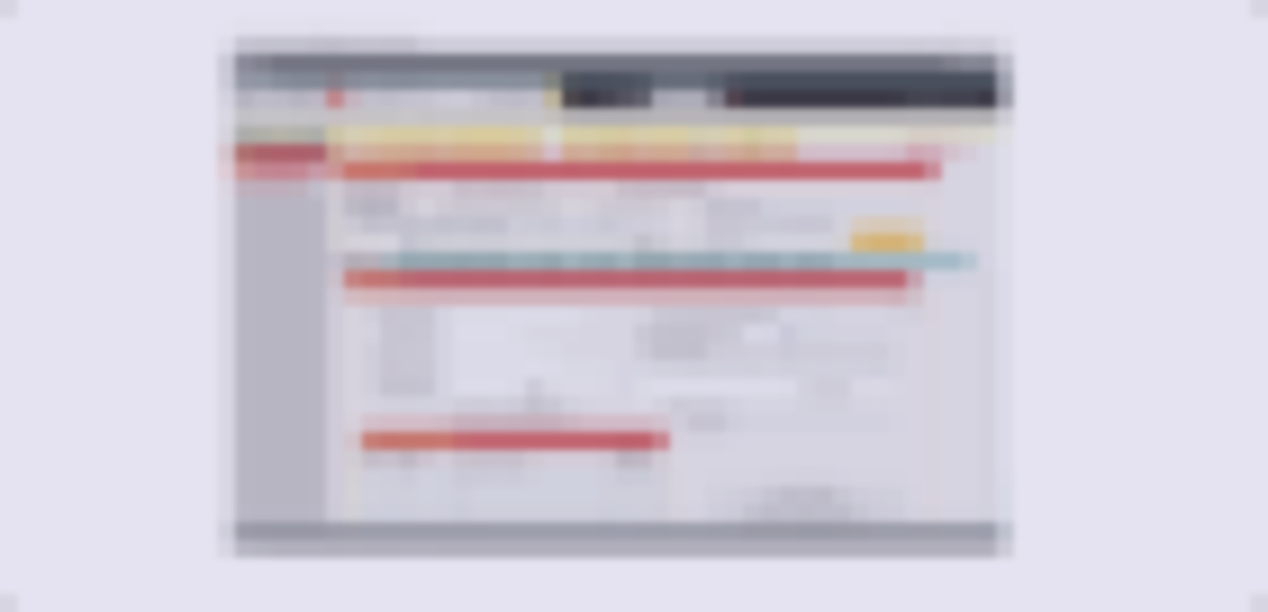
McDonald's needed a faster way to handle menu changes across their global franchises. The existing SMART Request process had 10 steps, multiple stakeholders, and no centralized system — a single person was receiving requests for tens of thousands of locations, all via Excel. Limited-time offers were missing launch windows because updates took too long.
The Solution
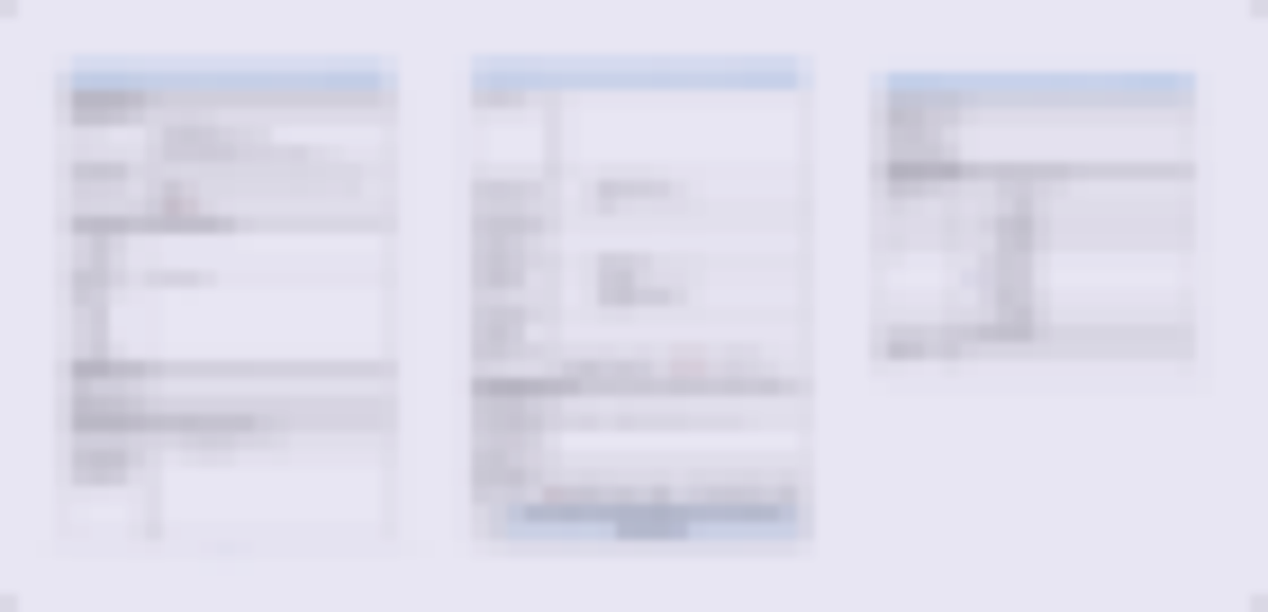
I reduced the process to three steps, all accessible through one dashboard:
Step 1: Field Marketing submits a SMART request form. Dana and the field receive a notification.
Step 2: The SMART Team approves. Taylor moves the task forward to Samantha. All parties are notified.
Step 3: Jeanine advances the task. The Field Marketing Manager and necessary stakeholders are notified.
How Requests Moved
The product was the McDonald's Request and Content Collaboration Controller, white-labeled by VisionX. A request form builder let an administrator build any request type: SMART requests, new national items, limited-time offers. Every stakeholder answered with approve, deny, pending, or unnecessary, instead of an approval assumed over email. A rejection from the SMART team did not end a request. A rejection from a VP did.
Working With the Dev Team
The VisionX dev team cut the CMS, ingredients, and messaging modules, and comments took over from messaging. I added a copy button beside each section so people could paste request data into McDonald's menu system without retyping it.

Prototyping
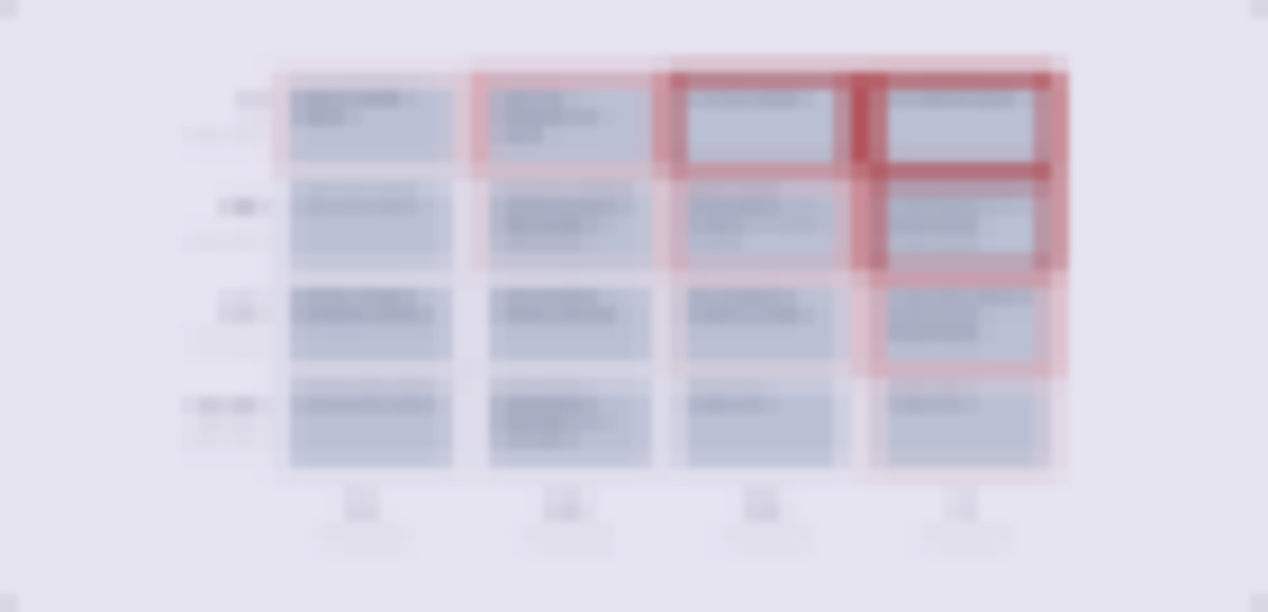
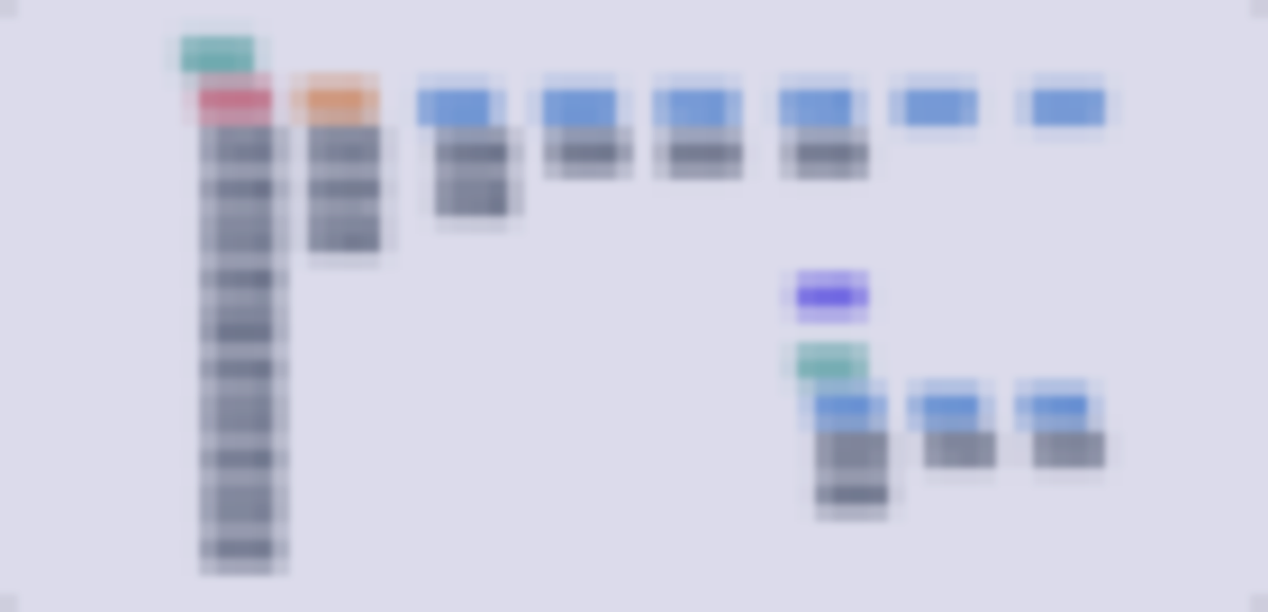
I mapped Red Routes to capture user needs, then broke the project into Epics, Stories, and Tasks for the dev team. I used an existing design system and adapted it for McDonald's brand and requirements.


Validation
I presented the prototype to McDonald's global corporate leadership, and I recorded a narrated walkthrough of it: the request form builder, roles and permissions, the project dashboard, the approval steps, and the menu content dashboard. They pushed back with questions and asked for clarification. I took their feedback to the key stakeholders, ran a round or two of edits, then handed the work to the implementation dev team. I did not keep a record of the specific questions they raised, so I am not going to reconstruct them here.
Results
In early tests, SMART request time dropped from days to 17 minutes. That figure comes from early testing with the team running the process correctly, not from a long-run production measure.
Decision record
Reduce the 10-step SMART Request process to three steps
The existing SMART Request process had 10 steps, multiple stakeholders, and no centralized system — a single person was receiving requests for tens of thousands of locations, all via Excel.
- Existing SMART Request process: Limited-time offers were missing launch windows because updates took too long.
The decision: I reduced the process to three steps, all accessible through one dashboard.
Outcome: In early tests, SMART request time dropped from days to 17 minutes.
Next case study: Hibernate Sleep